Essential Plumbing Services: Keeping Your Home's Plumbing Systems in Top Condition
Keeping up your home's plumbing network is vital for general functionality. Homeowners commonly deal with widespread concerns like leaks, blockages, and underperforming fixtures. Consistent assessments can reveal these challenges before they escalate. Appreciating the significance of scheduled plumbing care can produce considerable financial savings and enhanced comfort. Nevertheless, many are unaware of how to select the ideal expert or which services truly matter. Considering these points can provide clarity and peace of mind for residents.
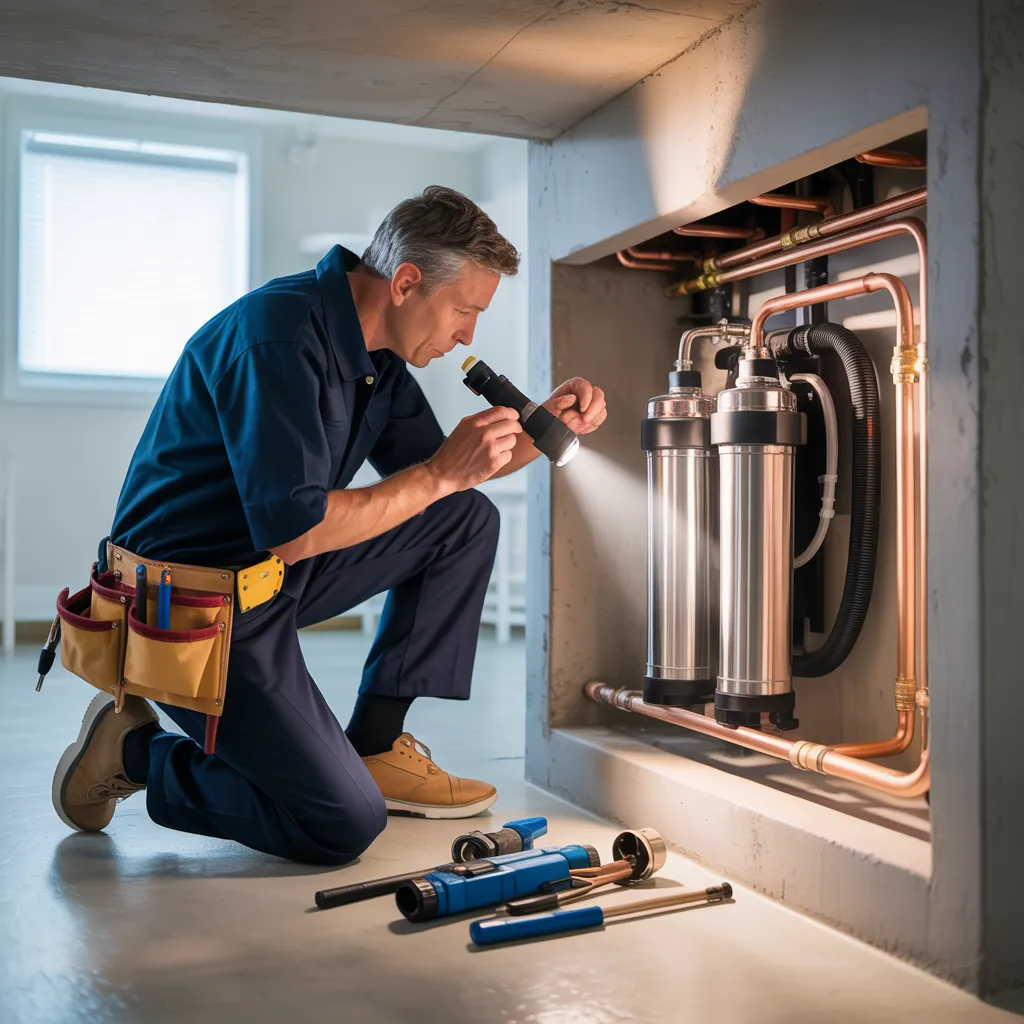
Common Plumbing Problems Homeowners Face
Homeowners often encounter numerous plumbing problems that can disrupt daily life. Frequent issues include dripping faucets, which not only result in water waste but also cause rising utility costs. Clogged drains represent another recurring issue, typically resulting from hair, grease, or unwanted materials clogging the pipes. Furthermore, toilet problems, such as constant running or improper flushing, can create significant inconvenience.
Failing water heaters often lead to inconsistent hot water supply, affecting daily routines. Additionally, ruptured pipes may result in extensive water damage, necessitating immediate attention. Lastly, sewer line issues may lead to disagreeable odors and serious health concerns when not treated in a timely manner. Each of these problems, if left unresolved, can escalate into more serious issues, making it essential for homeowners to be aware of these common plumbing concerns.
Why Routine Plumbing Services Are Essential for Homeowners
Routine plumbing services play an essential role in preserving the functionality of a residential plumbing system. Scheduled inspections and upkeep allow homeowners to detect problems before they develop into expensive repairs. By resolving minor leaks, deterioration, and obstructions in a timely manner, property owners can protect their homes from serious damage.
Moreover, regular maintenance enhances the lifespan of pipes and plumbing equipment, keeping them running smoothly. Such a preventative strategy not only saves money in the long run but also improves the quality of water and reduces the risk of mold and mildew development.
Homeowners who invest in regular plumbing maintenance can benefit from peace of mind, knowing that their systems are working properly. Moreover, regular maintenance can contribute to higher property value, as future buyers commonly prioritize well-maintained plumbing systems. At the end of the day, regular plumbing services are an essential aspect of responsible homeownership.
Critical Emergency Plumbing Services Worth Knowing About
What happens when a plumbing emergency strikes? Homeowners frequently experience panic and distress, dealing with problems like burst pipes, flooding toilets, or serious leaks. To combat these challenges, several essential emergency plumbing services are fundamental. To begin with, round-the-clock emergency response is essential, making certain that support is on hand at all times. Next, water damage restoration services minimize the impact of flooding, safeguarding your property and personal items. Moreover, drain cleaning services are able to resolve unexpected clogs that cause backups, providing instant solutions. Leak detection services are likewise a vital component, pinpointing hidden leaks before they grow into serious complications. Lastly, sewer line repairs help avert significant health risks by resolving root intrusion or pipe failures. Being aware of these essential emergency plumbing services enables homeowners to respond quickly and efficiently during emergencies, safeguarding their homes and peace of mind.
Selecting the Best Plumbing Expert
How can someone ensure they choose the correct plumbing expert for their situation? Commence your search by investigating nearby plumbers, giving preference to those with strong reviews and excellent ratings. A trustworthy plumber ought to hold the required licenses and insurance, ensuring adherence to local regulations and providing coverage against possible liabilities.
Furthermore, examine their specialization and experience. Several plumbers may have strengths in residential services, while others direct their expertise toward commercial systems or targeted plumbing challenges. Obtaining quotes from several professionals details can assist in evaluating pricing and available services.
To conclude, communication is key; a professional plumber should be easy to talk to, prepared to respond to inquiries, and provide clear explanations of the required work. By taking these steps, household owners can successfully identify a plumbing professional who addresses their unique needs and ensures the proper operation of their residential plumbing systems.
Helpful Tips for Preventing Plumbing Problems in Your Home
Identifying the right plumbing professional is only the first step in maintaining a well-maintained plumbing system. Residents can implement several proactive steps to prevent plumbing problems. Routinely checking pipes for damage or wear is critical; prompt identification can prevent costly repairs. Additionally, ensuring that drains are free from debris and grease will help preserve optimal drainage. It is wise to place strainers in tubs and sinks to catch hair and food particles. Homeowners should also be mindful about what gets disposed of through toilets, avoiding items that can cause blockages. Furthermore, periodic maintenance, such as checking the water heater and flushing it to remove sediment, can prolong its life. Lastly, being aware of where the main water shut-off valve is located is essential for handling urgent situations promptly. By following these tips, residents can greatly reduce the likelihood of unexpected plumbing problems.
What to Expect During a Professional Plumbing Inspection
Throughout a professional plumbing inspection, property owners can anticipate a thorough assessment of their plumbing infrastructure. Inspectors typically identify typical concerns such as corrosion, leaks, and clogs, while also supplying important maintenance advice. This process not only highlights present concerns but also aids in preventing future complications.
Inspection Process Summary
A detailed plumbing evaluation is critical for preserving the condition of a household plumbing system. During the inspection, a professional plumber assesses numerous elements, including plumbing fixtures, pipes, and connected appliances. The process begins with a visual assessment to uncover any evident defects, followed by pressure tests to verify that no leaks exist within the system. The certified plumber may also use specialized cameras to examine concealed pipes, delivering a thorough view of the plumbing system. Both water flow and drainage undergo testing to confirm maximum efficiency. In addition, the plumbing professional verifies adherence to applicable local regulations and codes. Property owners are provided with a complete written report summarizing the findings, which aids in future maintenance and repairs. This preventative strategy helps prevent costly plumbing emergencies.
Typical Issues Discovered
Detecting typical plumbing concerns is a essential aspect of a professional inspection. Throughout an inspection, technicians typically look for pipe leaks, which can cause mold growth and water damage. Blocked drains are a common issue as well, frequently caused by debris accumulation or tree root intrusion. Moreover, aging fixtures, such as plumbing fixtures, may display evidence of damage, including corrosion or rust. Professionals further examine water pressure levels, verifying they meet standard benchmarks, as both low and high pressure can signal deeper issues. Lastly, they assess the overall condition of the heating unit, looking for evidence of rust or leaks. Addressing these common issues early can prevent more extensive damage and costly repairs in the future.
Important Maintenance Tips
Periodic plumbing inspections give homeowners with valuable insights into the condition of their plumbing systems. During a professional inspection, plumbers assess key components such as faucets, pipes, and water heaters. They look for leaks, blockages, and signs of corrosion, which can cause significant damage if left unaddressed. Homeowners can receive advice about maintaining peak performance, including consistent drain maintenance and pressure monitoring. Inspectors frequently assess the complete plumbing structure to spot concerns before they become serious. It is beneficial to plan inspections once or twice a year to ensure systems continue to function properly. By following these upkeep guidelines, homeowners can prolong the lifespan of their plumbing systems and eliminate unforeseen plumbing crises.
Questions We Often Receive
How Often Should I Replace My Plumbing Fixtures?
Experts recommend replacing plumbing fixtures every ten to fifteen years, based on usage and upkeep. Routine inspections can detect wear and tear, helping to maintain efficiency and avoid expensive repairs or water damage over time.
What Are the Signs of Hidden Plumbing Leaks?
Signs of hidden plumbing leaks include water marks appearing on walls or ceilings, unexplained increases in water bills, damp or moldy odors, and a constant sound of running water. Early detection prevents further damage and costly repairs.
Can Chemical Drain Cleaners Be Used Safely?
Using chemical drain cleaners can be risky; they can cause pipe damage and prove dangerous when used incorrectly. It is recommended to adhere to instructions closely or explore alternative approaches for removing clogs to ensure both safety and effectiveness.
How Can I Locate My Main Water Shut-Off Valve?
To locate the primary water shut-off valve, one should check near the perimeter of the home, often in basements, crawl spaces, or garages. It usually appears as a round or lever-operated valve attached to the primary water line.
What Should I Do During a Plumbing Emergency?
During a plumbing emergency, it is important to promptly shut off the main water supply, evaluate the extent of the problem, contain any leaks with towels or buckets, and call an experienced plumber for emergency help and repairs.